Pages

Thursday, May 21, 2015

The Secret Garden

20150501_132607
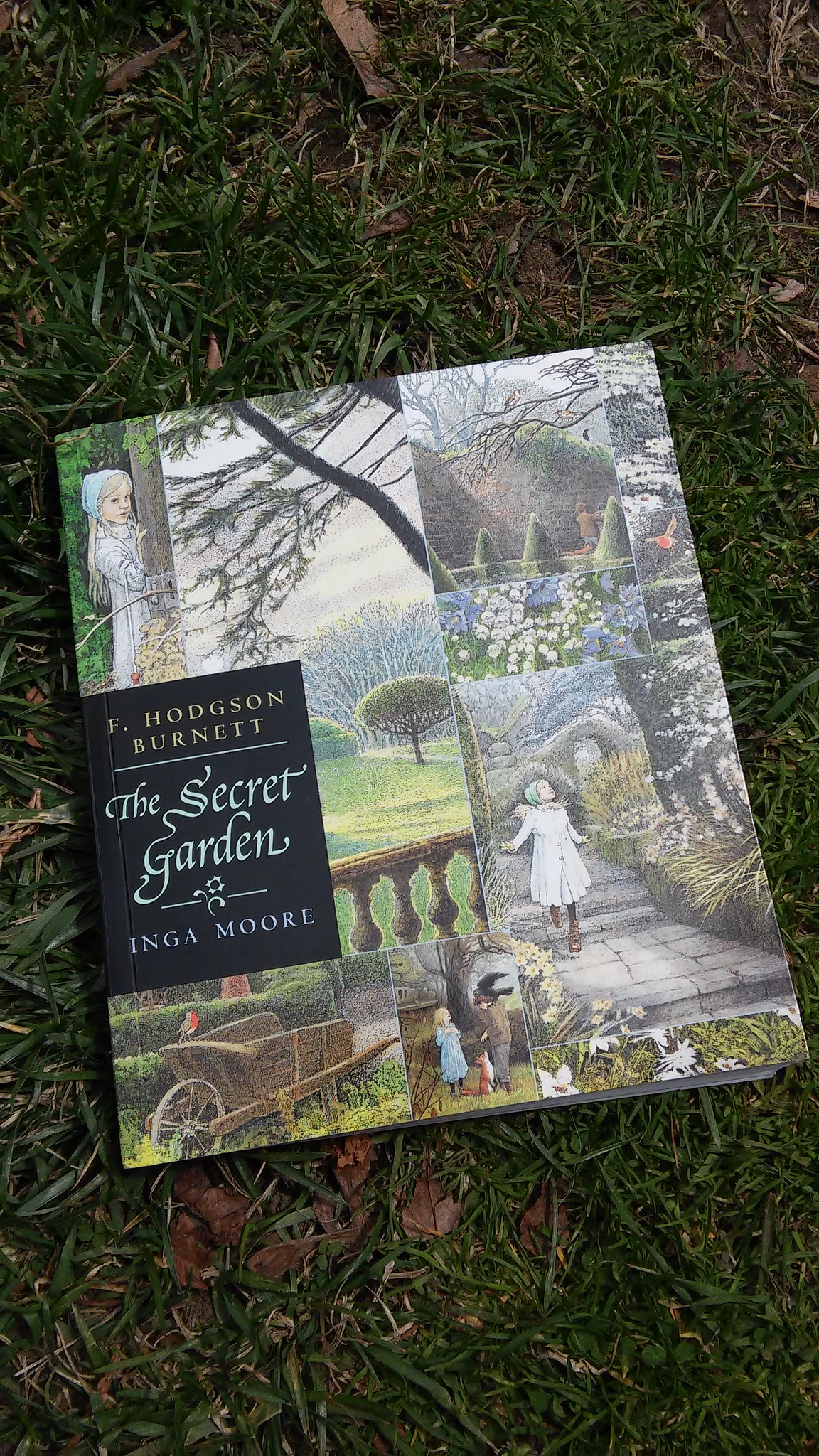
 Reading your favorite childhood book is always a delicate proposition. I was so eager to introduce my favorite book, The Secret Garden by Frances Hodgson Burnett to my kids, that I almost ruined the experience for them. A few years ago, we started reading the book as a bedtime read-aloud. I did not remember just how horrifying the first chapter is with a small girl abandoned in a household wiped out by a cholera plague. Halfway through the  chapter, my child looked up at me with scared eyes like, "Are you sure this is a good book, Mom?" We decided to put it away for a few years, and I am glad I did. This spring, we picked up the book again, and it was just the right time to read it. We were able to get through the tough chapters with some reassurance and embrace the beautiful healing redemption of the book. We all loved this version with exquisite illustrations by Inga Moore. There are full-color illustrations on almost every page and it really helped the younger kids stay engaged with a fairly long book. (My younger ones are not nearly as sensitive as their older siblings.)
20150422_122417
The wonderful thing about rereading a classic book is that it always speaks to you in new ways. I have never read the book as a mother, and this time I found myself identifying so much with Martha and Dickon's mother, Mrs. Sowersby. "It's like she says: 'A woman as brings up twelve children learns something besides her ABC. Children's as good as 'rithmetic to set you finding out things."

The whole course of motherhood and homeschooling has been one long process of "setting me to find out things". Most often those things were not about my kids at all, but about my own identity and heart.

As we were winding down our homeschool year, Mrs. Sowersby advice for raising healthy children seemed sound as well. "Give her simple, healthy food. Let her run wild in the garden. Don't look after her too much. She needs liberty and fresh air and romping about."

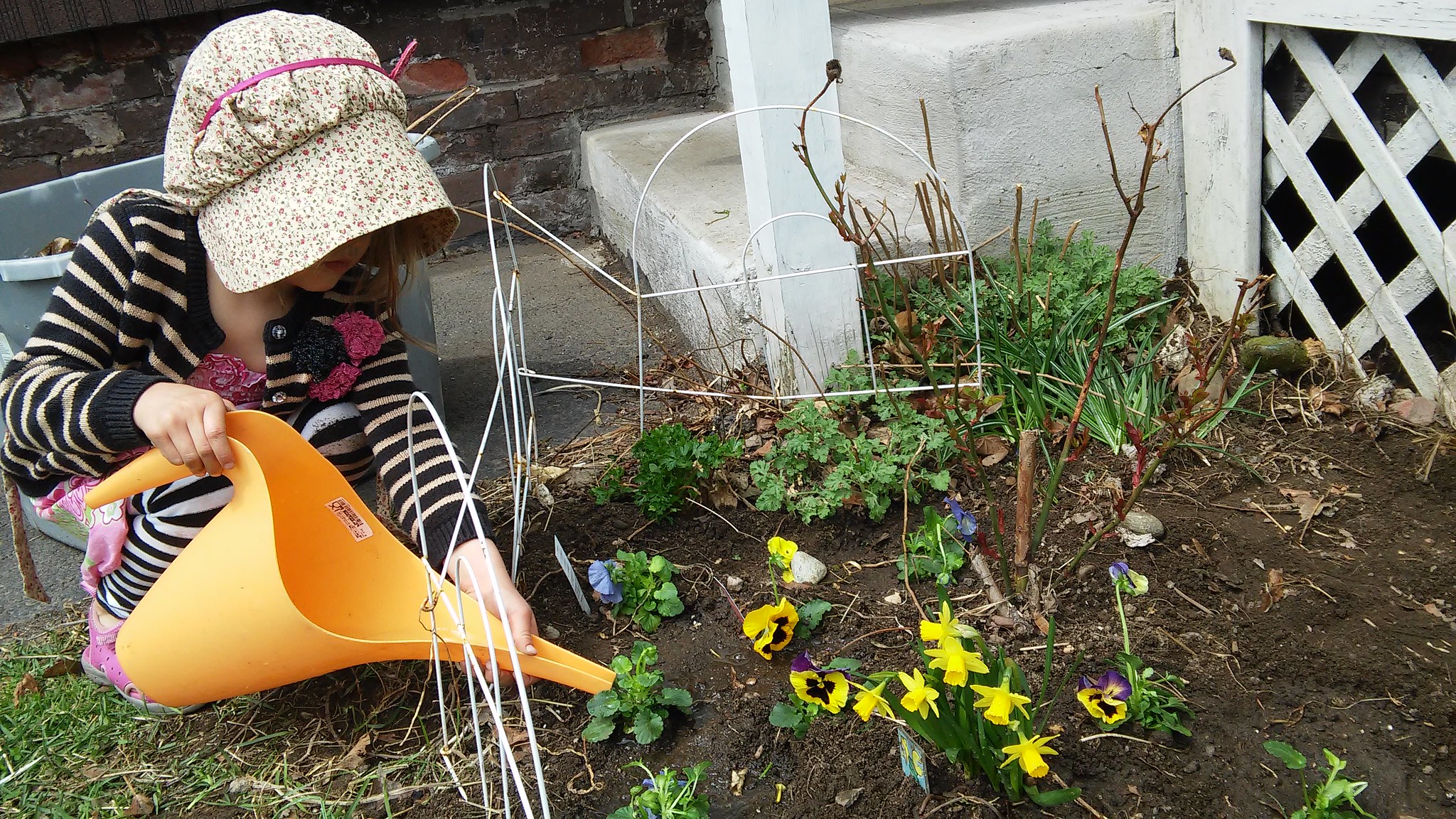
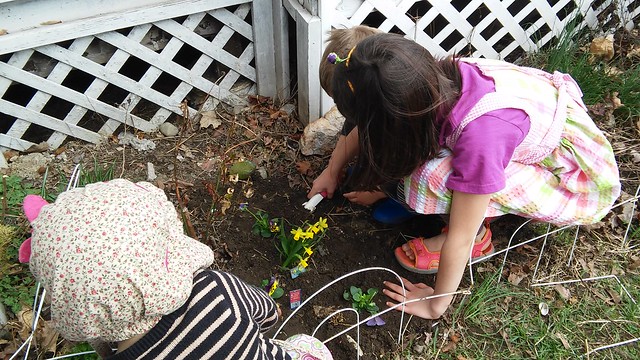
So our lessons did involve a lot of fresh air and romping about from learning to skip rope to planting our own not-so-secret garden.
20150422_120349 
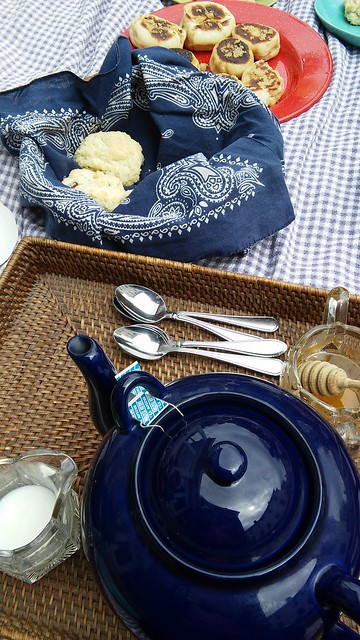
We had a lovely outdoors tea party with two recipes from Inside the Secret Garden: A Treasury of Crafts, Recipes, and Activities by Carolyn Strom Collins: currant buns and dough cakes. I mixed up our own Secret Garden tea blend of English Teatime and Bengal Spice.While we drank tea, the girls peppered me with questions like: who was your favorite character and what was your favorite scene? They were also full of questions about Frances Hodgson Burnett's life and houses, which we were also able to find answers for in Inside the Secret Garden. It was our first real literary discussion not driven by what they should know, but just by love for the characters and scenes that moved them. It gives me great hope for the future.
20150501_130528 
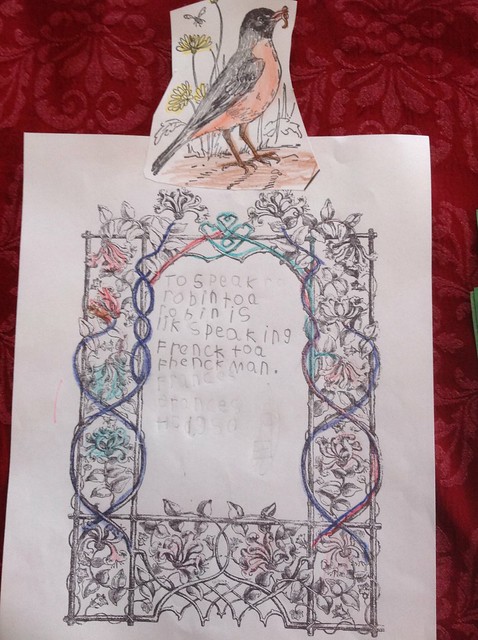
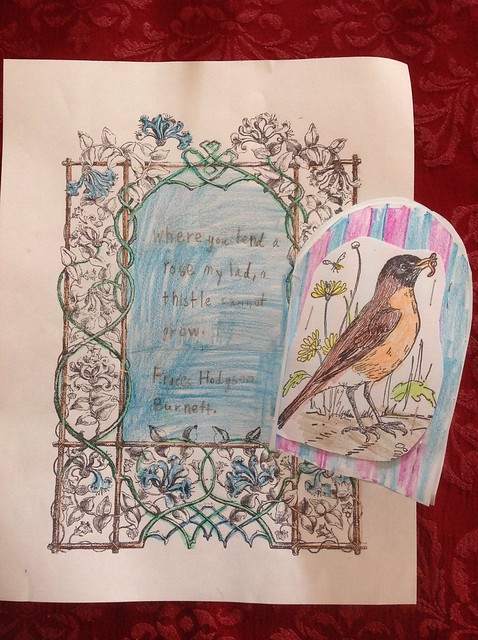
We tried our hand at some copywork from The Secret Garden. I printed out a few simple vintage graphics from The Graphics Fairy, and read them a list of quotes from goodreads. Then I wrote one out for them to copy. I was not expecting that it would become quite the art project it did.  Untitled 
Untitled
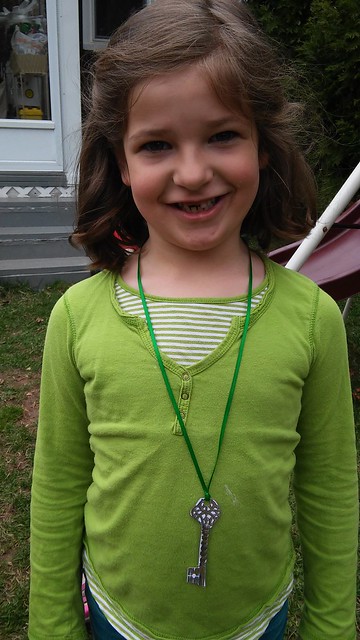
 The girls even took one of the images of an old-fashioned key and decided to make it into jewelry. Their necklaces turned out beautifully.
 20150430_131938 
I can't quite describe their disappointment when I told the kids that there was no sequel to The Secret Garden. They were not ready to leave Frances Hodgson Burnett's world yet, so we are following it up with A Little Princess.

Thursday, April 2, 2015

Life in a Sap Bucket

Untitled
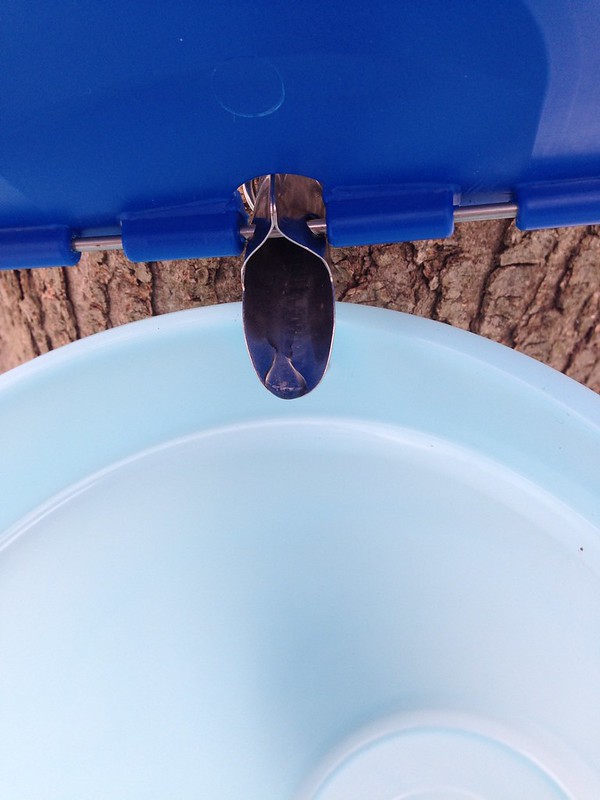
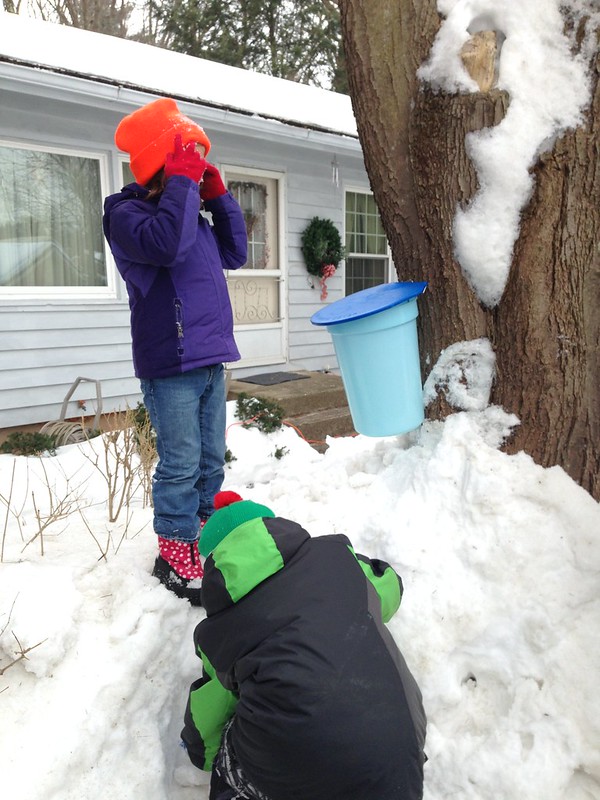
 As you know, we tapped the trees at Brent's parents house almost a month ago. We were so enthusiastic and hopeful and then we waited...and we waited...and we waited some more. We began to wonder: did we do something wrong? Did we drill our holes too deep? Did we tap too early? Is it just too cold? Finally we got word from Brent's parents that a few inches of sap had collected in our buckets.We took it home and boiled it into a fine 1/3 of a cup of maple syrup, dribbled a teaspoonful each on homemade biscuits and enjoyed it thoroughly. We began to chalk it all up to a great and expensive learning experience when we heard that we had a few more inches of sap in the buckets. This time we got almost a cup. At this point, we were ready to pull our taps and try again next year, when we got a text: The white bucket is full! Five gallons of sap! And yes, this happened just three days before we were about to leave for vacation!

It occurred to me that morning  that this whole experiment was a perfect microcosm of the homeschool life: the months of looking for the perfect equipment, of spending way too much money for tools you don't know will work, the sweet little moments when everything is flowing and you can see your progress, then the weeks of knocking your head against the tree wondering if you've screwed it all up (and wasted a lot of money), and finally a wonderful burst of learning, usually at the most inopportune time.

One thing I've learned from my three years of homeschooling is this. kids are not buckets to be filled up with knowledge. They are a lot more like trees. You see, in the spring when the sap is rising, it doesn't flow at a steady rate. You cannot depend on harvesting a certain number of gallons per day. You can try and predict when the sap will rise, but it is a complex process influenced by day and nighttime temperatures and pressure inside the tree. When the conditions are right, the sap will flow suddenly and steadily for a few days, then may stop again and wait for another run weeks later. Some days you get nothing and other days it will overflow your buckets. You can tap your trees at the same time each year and one year you may wait weeks for the sap to flow while others it will come quickly.

When I was teaching one of my daughters to read, she seemed so ready at an early age. We jumped into our reading lessons with so much enthusiasm, and half-way through the year it all dried up. Reading aloud led to tears, distraction, and struggles. So I pulled the tap. I stopped teaching her reading for over six months. This year, we started up again and this time there were no tears. She was eager to complete two lessons a day, jumped up two levels in reading, and started devouring every easy reader book she could find.

Yesterday we started up swim lessons again. We take them in the Spring and Fall. Two years ago, I worried that my daughter would even get in the pool. We struggled so much with separation anxiety in her early years that it was a real question whether she would be brave enough for swim lessons. Even last Fall, she was a little nervous about jumping into the four-foot pool. Well, yesterday, I saw her jump into the college-size pool and swim across it on her own. She hadn't been at this level in the Fall and we hadn't swum much since, yet there she was doing it.

We want so much to do the right thing, especially when it comes to our kids, that it is tempting to spend all our time worrying about our methods, tools, and techniques. But when we spend our days beating our heads against the trees wondering if we've failed, it is easy to miss the sweetness bubbling up in our kids, rising up from the roots, ready to burst forth in its own golden, unpredictable season.
 Untitled

Friday, March 13, 2015

Sugaring Time: Learning about Maple Syrup

Spring is the perfect time to learn about the process of making maple syrup. If you live in the right climate, then it's a great hands-on activity. If you missed my post Dad-schooling Spring Edition, read it and see how we tapped trees. If you live in a warmer climate, you can still get a wonderful look at maple sugaring through picture books. Here are some of our favorites.
 
Sugaring Time by Kathryn Lasky won a Newbery Honor in 1983. The book is full of documentary style black and white photos that follow a Vermont farm family in each step of the process of maple sugaring. The book is longer than most picture books with beautiful writing.
 
Sugaring by Jessie Haas is the story of a little girl sugaring with her grandfather and their horses.A sweet story.
Sugarbush Spring by Marsha Wilson Chall is another story of a little girl sugaring with her grandfather. The whole family gets in on the fun in this beautifully illustrated story. I love all the little details about the process of making syrup.
The Sugaring-Off Party by Jonathan London has been my eldest daughter's favorite this year. The Sugaring-Off Party is set in Montreal and is tells the tale of a family's annual party at la cabane a sucre. French phrases are scattered throughout the story and the story comes alive with the fun characters in this big French family. 
Sugar Snow is part of the My First Little House Books series, which we love. It's a picture-book version of the chapter in Little House in the Big Woods when Pa helps Grandpa to make maple sugar. The illustrations are done in the style of Garth Williams and are lovely.
Sugar on Snow by Nan Parson Rossiter is a more modern look at a New England farm family making maple syrup. If you like your story with tractors instead of horses, this is the book for you.
A Farmer's Alphabet is one of the most beautiful alphabet books I've ever seen. Mary Azarian's black and white woodcuts of farm life are more art than illustration. Guess what? M is for Maple Sugar!

If you are looking for another fun maple project, our kids loved making the free Maple Syrup Lapbook at Homeschool Share. The project really made me realize how much practical math is involved in tapping trees: everything from measuring diameter of trees to converting gallons to quarts totracking temperatures. Math has been really fun this week.

Thursday, March 12, 2015

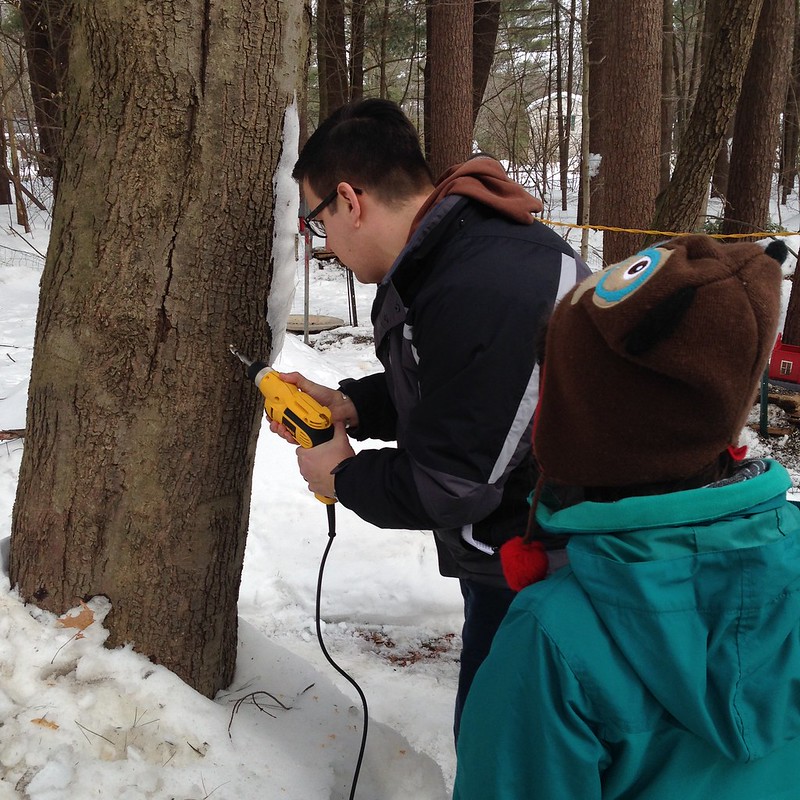
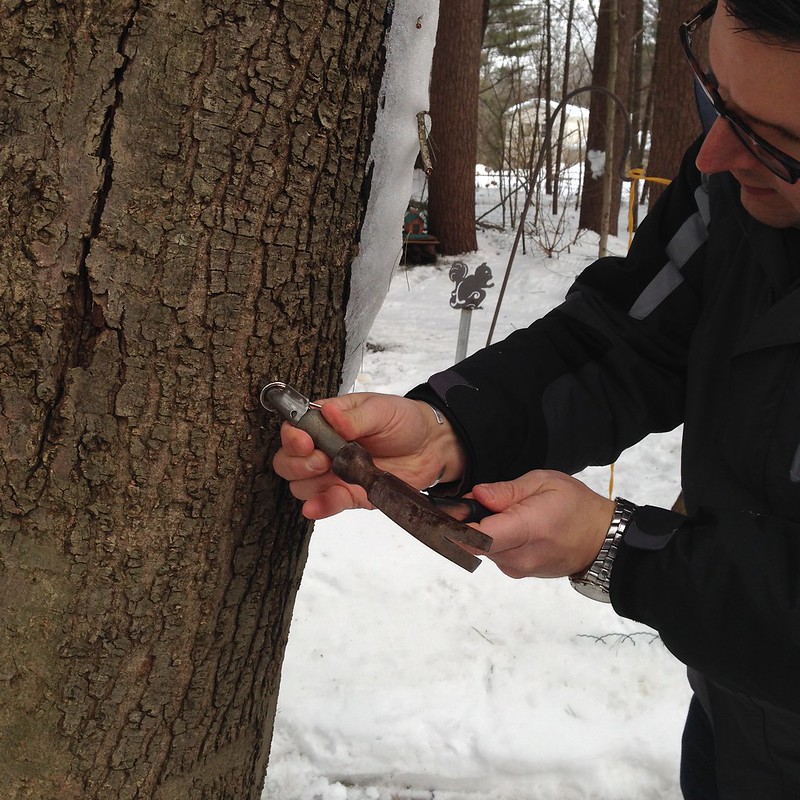
Dad-schooling: Spring Edition


Oh, the glorious sound of water dripping everywhere! This winter has been intensely long and hard. The first 40 degree day that we could get out and walk, the kids threw their jackets on the porch and ran up and down the sidewalk jumping in slushy puddles in their rainboots until they were soaked to the skin. They saw a bit of muddy grass and began an interpretive swaying grass dance on the spot. And I let them because we were all feeling that way inside.

Brent decided this Spring's dad-schooling project would be tapping trees. Our one tiny tree was buried under five feet of snow, so we tapped trees at his parents' house instead (where they were only buried under four feet of snow.)

We made a field trip to a maple supply megastore in New Hampshire a few weeks ago for our buckets and spouts. The salesman encouraged us, "Good luck with your project!" while all the serious maple farmers around us were spending thousands of dollars on tubing and evaporators.
Untitled
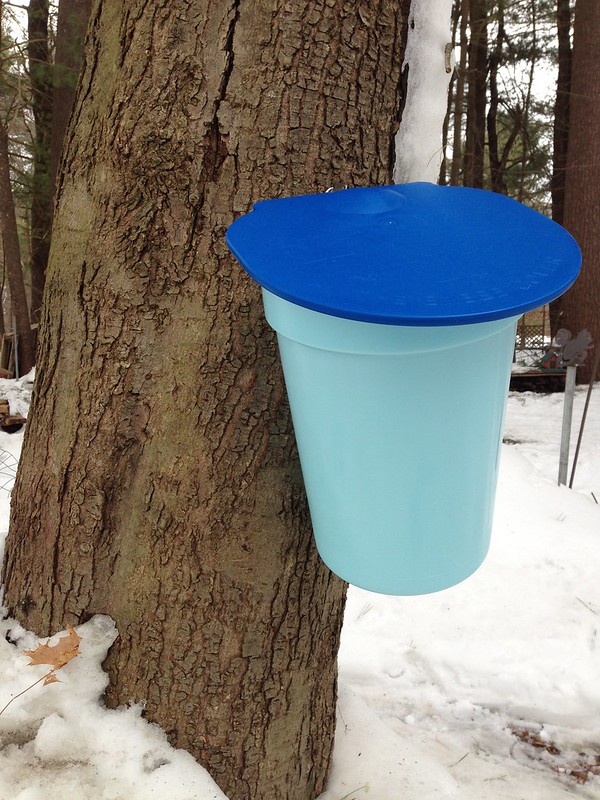
The buckets are up! The plastic ones are not nearly as charming as the old metal ones, but they served our purpose.
 
A good shot of the buckets in the snow. We only have a few tablespoons of sap so far. We think the trees may still be frozen from the snowpack. We've had gorgeous weather this week, but the roots are still cold.
   
A sign of hope! Here's to the sap rising and Spring on its way!


Of course, I can't leave you without a book suggestion. Brent introduced me to one of his childhood favorites when we got married and I have been eternally grateful. Miracles on Maple Hill by Virginia Sorenson is one of the most beautiful stories of a family's healing from the effects of war through their move to the country and interactions with neighboring farmers. A lovely book that should be read every Spring.

Monday, March 2, 2015

Best-Loved Books about Dolls

I must admit, I was a kid who played with dolls long after it was considered cool. I was so committed to the care of my two My Child baby dolls in fourth grade that they had carseats, food, and diapers. I talked my mother into sewing a suitcase full of outfits for them. They even had birthday parties and received Christmas presents. I guess it was good training for where I am today at home with my four kids. 

It also might explain why I have such affection for books about dolls. There is a wealth of great literature about dolls. Even if you weren't a doll-lover like me, I think you will find something to love in these stories.
   
The Doll People series by Ann. M. Martin and Laura Godwin. This is the story of two doll families: an antique porcelain set and the plastic Funcrafts. The two young girls of the doll families, Annabelle and Tiffany, team up to solve the mystery of a missing member of the doll family. We discovered this first as an audiobook and it quickly became one of our favorites. Read by Lynn Redgrave, she does an amazing job with the voices of the two families. There are three other books in the series, all with awesome illustrations by Brian Selznik.
Miss Happiness and Miss Flower by Rumer Godden
Rumer Godden might just be the queen of doll books. She has written so many books about dolls including her famous Christmas story The Story of Holly and Ivy. We recently read Miss Happiness and Miss Flower. What a wonderful book to inspire love of learning in your kids!  A little girl is sent from her father's house in India to live with her relatives. Nona struggles with loneliness until a cousin sends two tiny Japanese dolls. Nona sets out to build a proper Japanese home for the dolls, and soon she is becoming braver than she ever dreamed. The whole family is drawn into her passion for learning about Japanese culture and they build an authentic wooden dollhouse for the dolls. There are even plans for the dollhouse in the back, should you want to make one yourself. I look forward to reading more of Godden's books.
Miss Hickory by Carolyn Sherwin Bailey  
 I just discovered this little gem, which won the Newbery medal in 1946. It tells the story of a little doll with a hickory nut head and an apple twig body who is left for the winter in New Hampshire and most find a home in the woods and friends among the animals there. Beautifully written, it left me wondering what other older Newbery-medal winning books I may have missed.
 
 The Rackety Packety House by Frances Hodgson Burnett 
A lesser known book by the author of The Secret Garden, this book is a perfect introduction to chapter books for younger readers, especially if you can find the edition with illustrations by Wendy Anderson Halperin. When the old rackety-packety doll house is shoved in the corner of the nursery, replaced by the very fancy Tidy Castle, the Rackety family of dolls must find a way to save their home. The Rackety family will charm you with their good humor and spirit that conquers all.
The Doll Shop Downstairs by Yona Zelda McDonough
Inspired by the true story of the creation of the Madame Alexander dolls, Anna and her sisters love to play with the dolls in their father's repair shop. When World War I causes an embargo on the German doll parts the shop needs for repairs, the family comes up with a new idea to keep the shop afloat.
The Best Loved Doll by Rebecca Caudill
This is a sweet little story about a little girl who is invited to a doll party. One of the dolls is going to win a prize and Betsy can't decide which doll to bring. Finally she brings her worn but well-loved favorite. There is no chance the doll will win a prize, or will it?
The Miraculous Journey of Edward Tulane
We recently listened to this on audiobook. I must warn you there is a lot of heartbreak in the middle of this book, but the redemptive ending makes up for all of the loss. This book is the story of Edward Tulane, a self-absorbed china rabbit who is incapable of love. When he is lost on a ship voyage, his life begins to take some very unexpected turns which teach him the value of love and loss.

Do you have any favorite books about dolls?

Wednesday, February 25, 2015

Madeline

20150214_150048
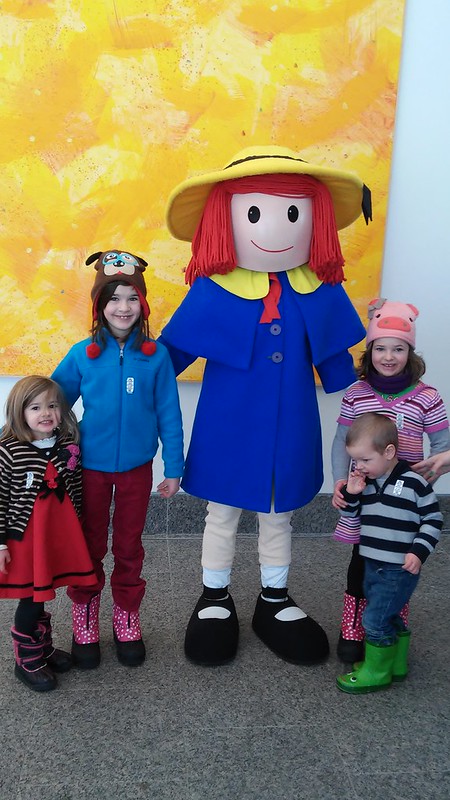
We finally made it to the Madeline at 75: The Artwork of Ludwig Bemelmans exhibit at the Eric Carle Museum of Picture Book Art. I have been meaning to go since December, but we made it the week before the show was going to close. While we were there we got to meet Madeline, see lots of large-scale paintings of Bemelmans work, attend a dance performance of Madeline by a local prep school, and do some artwork of our own. We had a lot of fun, and so, we had to re-row Madeline.
 20150214_131547
20150214_131711
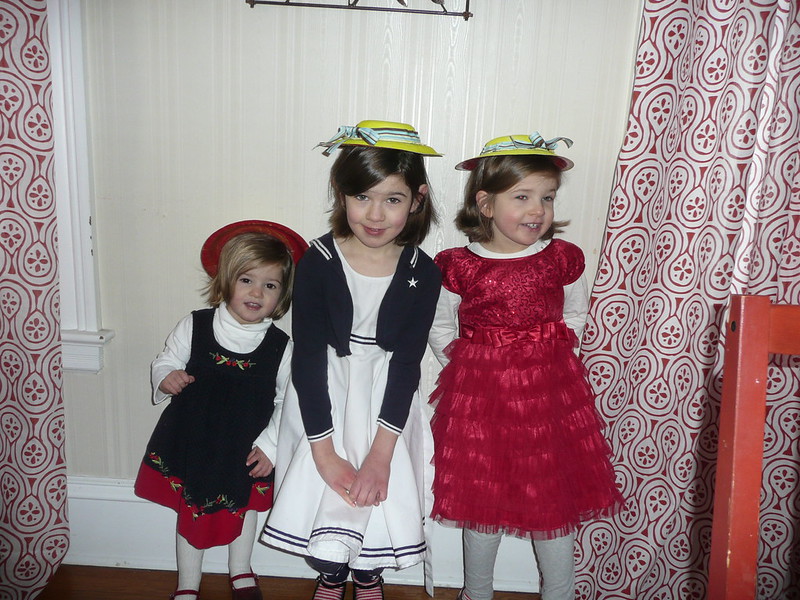
Here's a flashback to our first time through Madeline when Ella, my oldest, was in kindergarten. We loved making Madeline hats out of paper plates and bowls, so we had to do it again.
 Madeline 
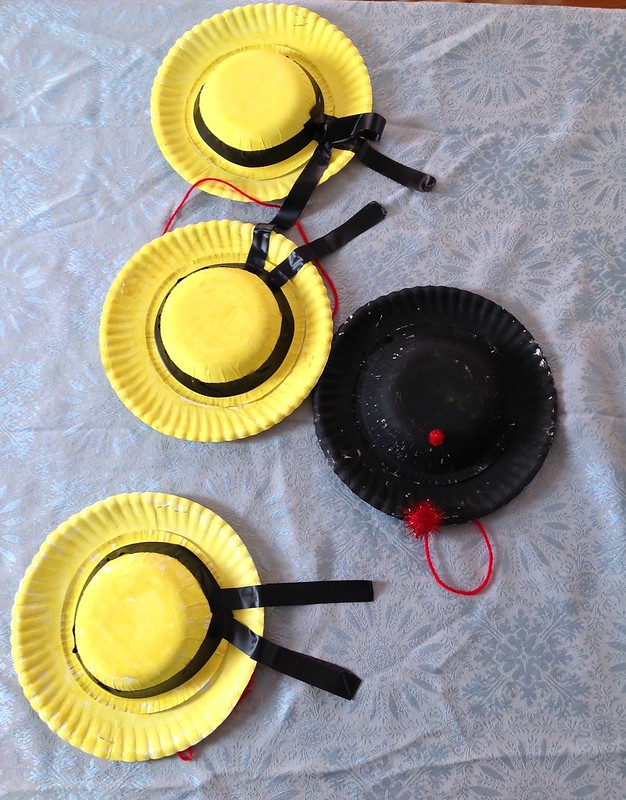
Here are our hats this time. We heated up our trusty glue guns. I traced around the paper bowl onto the plate and then cut a hole in the center of the plate. Then we glued a paper bowl to each paper plate.The kids then painted the hats: yellow for Madeline and black for Pepito, the son of the Spanish ambassador next door. Since we had no ribbon, we made the black bands and ribbons out of electrical tape. We glued two pom-poms to Pepito's hat. My two-year-old kept cracking us up all week by saying, "I have a hat like Potato!" 


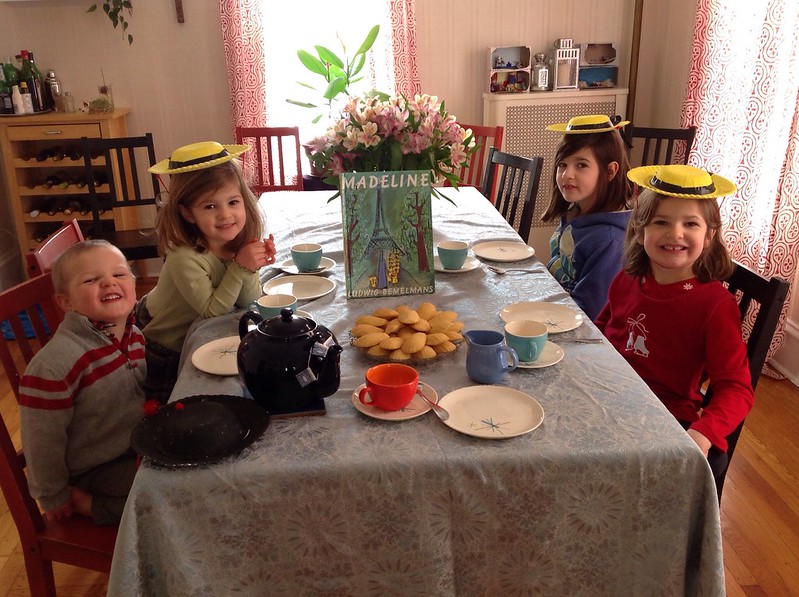
Then we had a Madeline tea party with madeleine cakes, clementines, and French tea. We had the party on Mardi Gras so we could enjoy lots of treats before Lent. 
Madeline tea party
By the end of the week, the kids all had the book memorized, so they could recite it while I turned the pictures. We learned about symmetry in art and the kids used a tutorial of How to Draw Madeline that we picked up at the museum. For science, we learned about the internal parts of the human body: skeleton, muscles, and organs. We read a Magic Schoolbus book about the body and did a giant human body puzzle from The Evan Moor Giant Science Resource book. We also read Madeline in London, Madeline and the Bad Hat, and Madeline Says Merci, and watched several episodes of the Madeline cartoon.


If you like Madeline, you might also enjoy these other books set in France:
Anatole by Eve Titus
Minette's Feast: The Delicious Story of Julia Child and her cat by Susanna Reich
Charlotte in Giverny by Joan MacPhail Knight
The Family Under the Bridge by Natalie Savage Carlson

Monday, February 16, 2015

Snow, Tea, and Poetry

20150211_114230

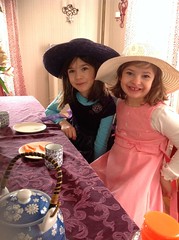
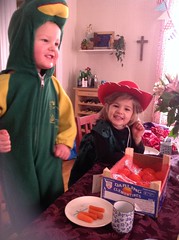
We are buried under snow here with crazy windchills. So we are fighting winter with a lot of tea and poetry. I mentioned in my last post that we have instituted a weekly Poetry Tea Time inspired by the Brave Writer curriculum. It has quickly become a favorite part of our week. We have some special tea party treats and read poetry. Of course, in our house, no tea party would be complete without dressing up.
Untitled
Untitled

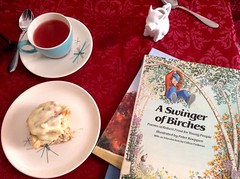
One of our favorite days was when Daddy got a snowday from work. When Daddy is home from work,he makes us yummy treats like homemade orange cinnamon rolls. Since we were doing a Five in a Row unit on Stopping by the Woods on a Snowy Evening by Robert Frost, we read from several books of Robert Frost's poetry.

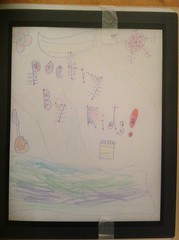
That week, we also tried writing some poetry using the rhyme scheme from Frost's poem. The kids liked it so much, they decided to publish their poems in a binder. I wrote them out for them, and they illustrated. Now we have poems that they can read at our teas too. 

Untitled
  
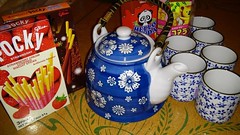
Our next week, we were reading Grandfather's Journey by Allen Say, and decided to learn about haiku. That required some new school supplies purchased at an Asian market. We love our new Chinese tea set and Pocky! Yum!  The kids really liked writing haiku and we read those, alongside some by the haiku master Basho.We brought out our kimonos from our Japanese tea party last year, though I didn't manage any good pictures this year. 
Untitled

Want to try a poetry tea time with your family? Here are some of our favorite poetry books for kids:
The Poetry for Young People series of books are beautifully illustrated collections of famous poets' works. We have Robert Frost, Emily Dickenson, Edna St. Vincent Millay, and Henry Wadsworth Longfellow. I hope to purchase more of these lovely collections.
A Swinger of Birches: Poems of Robert Frost for Young People 
Books by Shel Silverstein: Falling Up, A Light in the Attic, Where the Sidewalk Ends
The Random House Book of Poetry for Children
Psalms
Stopping by the Woods on a Snowy Evening by Robert Frost, illustrated by Susan Jeffers